

Optimal Wine Storage Temperature Guide
Post Date: January 23, 2026
Temperature is the single most important factor in wine storage. Too warm, and your wine ages prematurely, losing its complexity and freshness. Too cold, and chemical reactions slow to a halt, preventing proper development. Understanding optimal storage temperatures will help you get the most from your wine collection and your wine cooler investment.
The Universal Sweet Spot: 55°F (13°C)
If you’re storing a mixed collection of reds and whites long-term, 55°F is the gold standard. This temperature:
- Allows wines to age gracefully
- Prevents premature oxidation
- Maintains proper chemical balance
- Works for virtually all wine types
Most wine coolers are factory-set to this temperature for good reason.
Temperature Guidelines by Wine Type
Red Wines
Storage Temperature: 55-65°F (13-18°C)
| Wine Style | Ideal Range |
|---|---|
| Light reds (Pinot Noir, Beaujolais) | 55-60°F |
| Medium reds (Merlot, Chianti) | 58-62°F |
| Full-bodied reds (Cabernet, Syrah) | 60-65°F |
Note: These are storage temperatures. Serving temperatures are slightly different – most reds benefit from being served at 60-68°F.
White Wines
Storage Temperature: 45-55°F (7-13°C)
| Wine Style | Ideal Range |
|---|---|
| Light whites (Pinot Grigio, Sauvignon Blanc) | 45-50°F |
| Full-bodied whites (Chardonnay, Viognier) | 50-55°F |
| Sweet whites (Riesling, Gewürztraminer) | 45-50°F |
Sparkling Wines & Champagne
Storage Temperature: 40-50°F (4-10°C)
Sparkling wines are more sensitive to temperature fluctuations. Store at the cooler end of this range for long-term aging.
Fortified Wines
Storage Temperature: 55-60°F (13-16°C)
Port, Sherry, Madeira, and other fortified wines are more resilient but still benefit from consistent cool storage.
The Dangers of Temperature Extremes
Too Warm (Above 70°F)
- Accelerated aging and oxidation
- Cooked or stewed fruit flavors
- Cork degradation and leakage
- Permanent damage within days at extreme temperatures
Too Cold (Below 40°F)
- Tartrate crystal formation
- Slowed or halted aging process
- Potential cork contraction (allowing air in)
- Risk of freezing and bottle breakage below 25°F
Temperature Consistency Is Critical
Even more important than hitting the exact perfect temperature is maintaining consistency. Wine can tolerate a range of temperatures but suffers from fluctuations.
Acceptable daily variation: 2-3°F
Maximum seasonal variation: 5-10°F
Frequent temperature swings cause:
- Expansion and contraction of liquid
- Pressure changes that stress the cork
- Premature oxidation
- Sediment disturbance in aged wines
Dual-Zone vs. Single-Zone Wine Coolers
Single-Zone Coolers
- One temperature throughout
- Best for collectors focused on one wine type
- Set to 55°F for mixed collections
- More affordable option
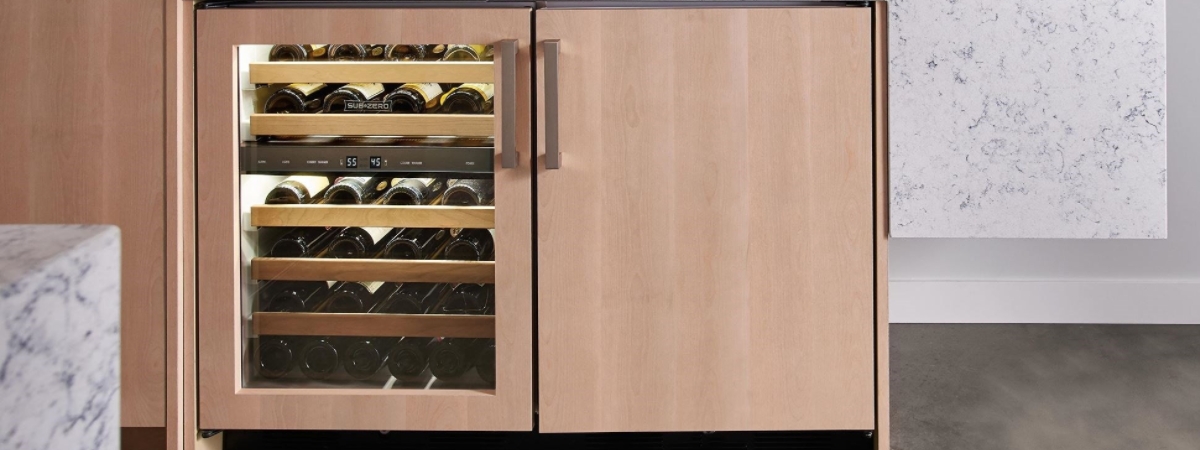
Dual-Zone Coolers
- Two separate temperature compartments
- Upper zone typically for whites (45-50°F)
- Lower zone for reds (55-60°F)
- Ideal for diverse collections
- Better for serving-ready storage
Signs Your Wine Cooler Isn’t Maintaining Proper Temperature
- Digital display doesn’t match actual internal temperature
- Wine tastes flat, cooked, or oxidized when opened
- Visible condensation inside the unit
- Compressor running constantly or not at all
- Temperature swings of more than 5°F
Tips for Accurate Temperature Monitoring
- Use an independent thermometer – Don’t rely solely on built-in displays
- Check multiple locations – Temperature can vary within the unit
- Monitor over time – Record readings at different times of day
- Account for door openings – Frequent access causes temporary fluctuations
Professional Calibration Services
If your wine cooler isn’t maintaining consistent temperatures, the problem could be:
- Faulty thermostat or temperature sensor
- Refrigerant leak
- Compressor issues
- Damaged door seals
- Control board malfunction
A professional technician can diagnose the issue and calibrate your unit to maintain precise temperatures.
Conclusion
Proper temperature control is the foundation of wine storage. Whether you’re aging a cellar-worthy Bordeaux or keeping everyday wines ready to enjoy, maintaining optimal temperatures protects your investment and ensures every bottle tastes its best.
If your wine cooler is struggling to maintain consistent temperatures, don’t risk your collection. Contact Wine Refrigeration Los Angeles for expert diagnosis and repair of all wine cooler brands.